Last updated November 21, 2026
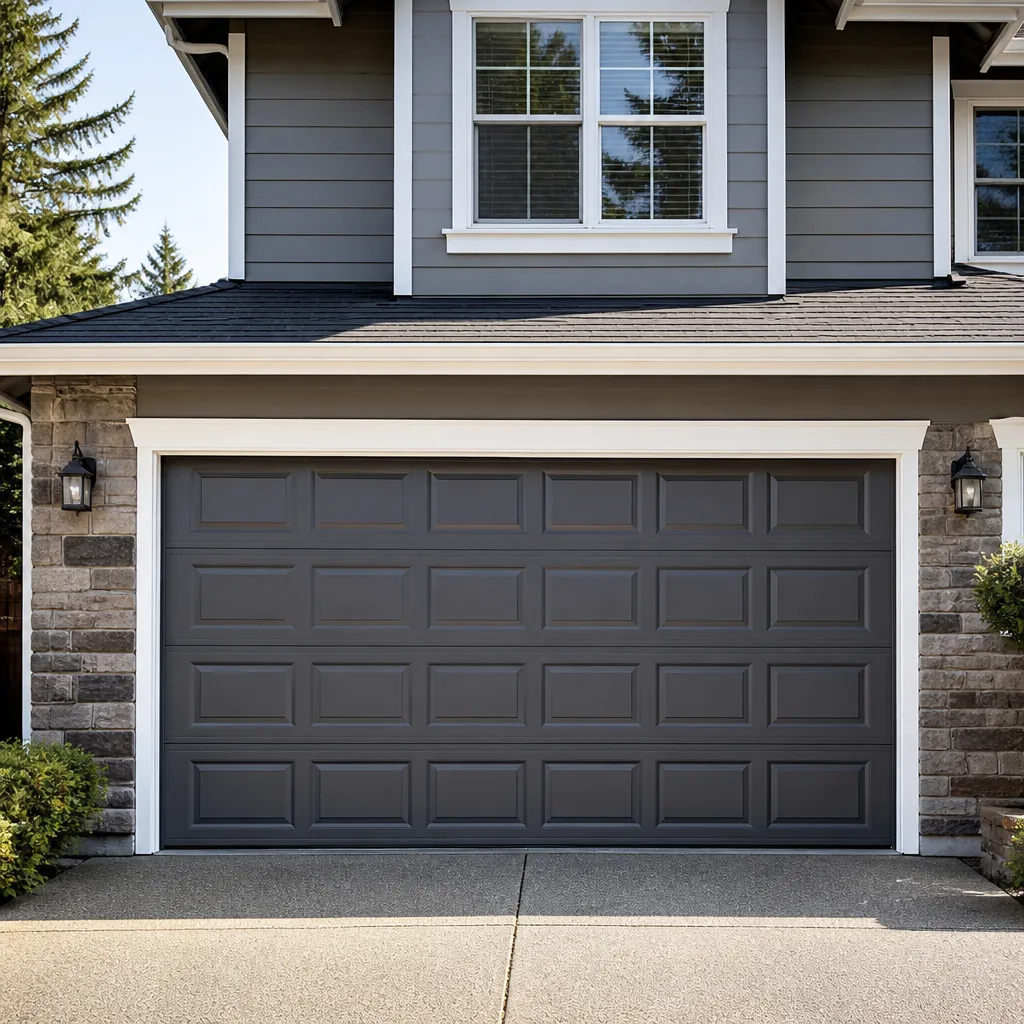 Raised-panel steel
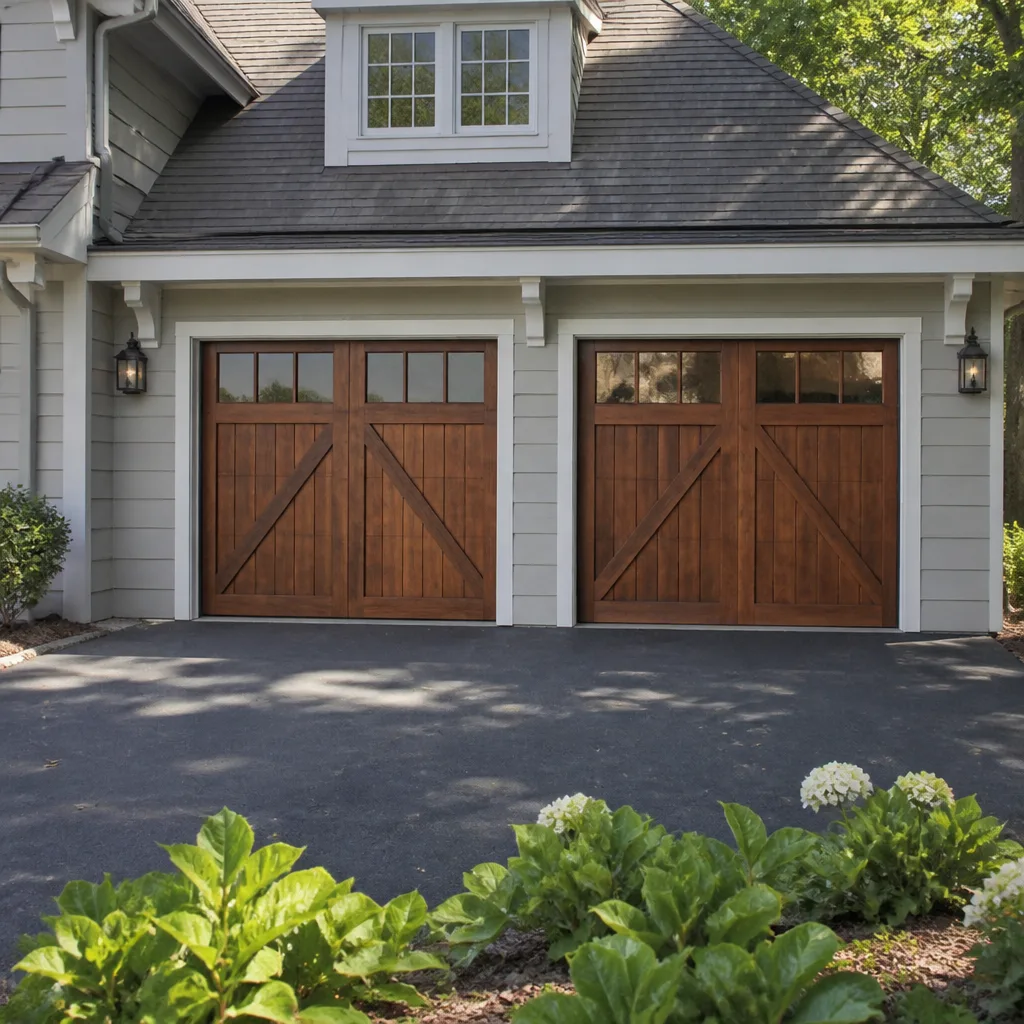 Carriage house
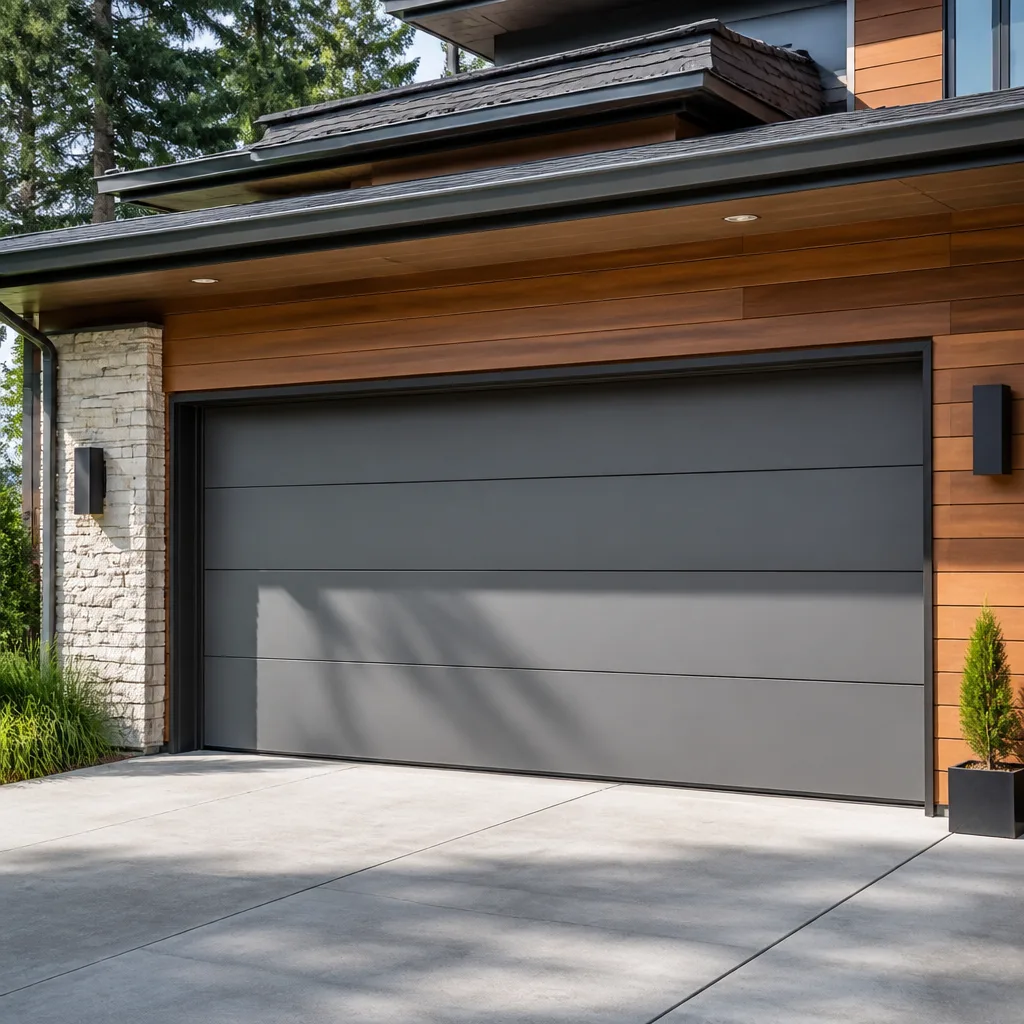 Modern flush
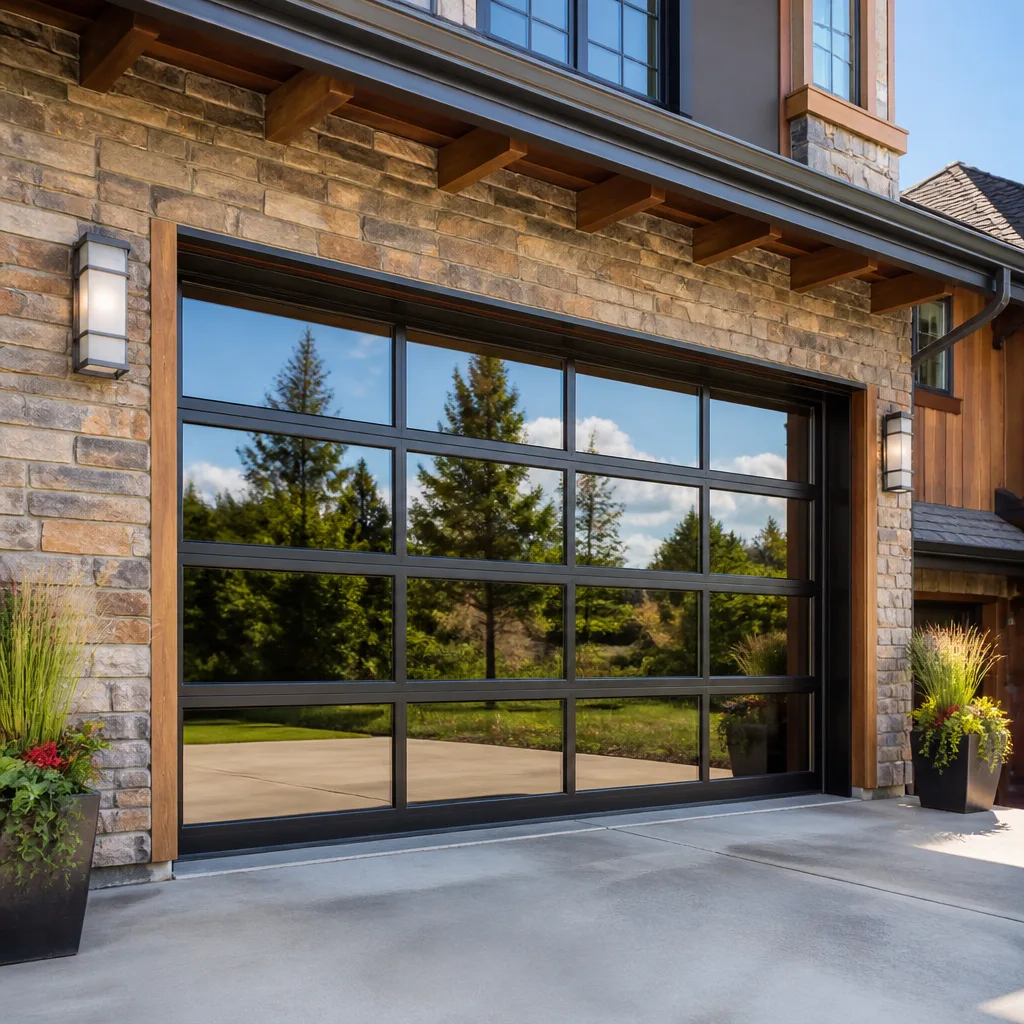 Full-view glass
 LiftMaster openers
 Chamberlain openers
Full 25-point door and opener safety check with every visit - springs, cables, rollers, tracks, and your LiftMaster or Chamberlain opener included
You get a price before we start. It does not change when the pro arrives.
Get your free estimateSeasonal Garage Door Care for Palm Harbor: Year-Round Homeowner’s Guide
Most maintenance calendars you’ll find online were written for places that get four real seasons. Palm Harbor doesn’t. We get a long humid stretch that builds toward hurricane season, a tense late-summer core, and then a dry, mild winter that quietly does its own kind of damage. Follow a generic spring-and-fall checklist here and you’ll do the heavy tasks at the wrong time – tuning things up in the calm months and ignoring them right before the weather turns. This guide breaks a year of garage door care into the two cycles that actually matter in Palm Harbor, and tells you what to check, when to check it, and what to leave to a trained technician.
Quick Answer
Garage door care in Palm Harbor should follow two cycles, not four seasons: a pre-hurricane hardening phase in May before storm season peaks, and a dry-season recovery phase from December through March. In between, from July through September, the job is post-storm inspection – catching bent tracks, failed seals, and opener strain before they become a breakdown. A schedule built for humid, storm-prone Pinellas County beats a standard quarterly checklist every time.
Styles & brands we work with
- Raised-panel steel
- Carriage house
- Modern flush
- Full-view glass
- LiftMaster openers
- Chamberlain openers
Table of Contents
- Why Palm Harbor Needs a Two-Cycle Schedule, Not Four Seasons
- The May Pre-Hurricane Checklist
- Mid-Storm-Season Protocol: July Through September
- Post-Storm-Season Recovery: October and November
- Dry-Season Tasks: December Through March
- Reading Panel Expansion and Seal Gaps
- How Humid Months Add Up on Springs and Hardware
- Common Mistakes to Avoid
- When to Call a Professional
- Frequently Asked Questions
Why Palm Harbor Needs a Two-Cycle Schedule, Not Four Seasons
A garage door is a mechanical system, and mechanical systems respond to their environment. In a climate that runs hot and humid for most of the year and then dries out for a mild winter, the stress points are different from what a northern maintenance chart assumes. The biggest mistake we see is homeowners treating June like a lazy month and November like a rest month, when both are actually hinge points for the year. In Palm Harbor, the garage door is also often the largest moving object on the property and the wall that faces the weather first, so its condition matters more than a porch rail’s.
Here’s the reasoning behind the two-cycle approach. Roughly two-thirds of the year, the air is heavy with moisture and the door works in it: rollers stiffen, tracks gather grit, and the opener pushes a little harder to move a heavier-feeling door. Then, from December through early spring, the air dries out, panels and frames settle, and the door may start to sit unevenly or pull against the opener. Those two phases call for different actions. A generic fall “lubricate and tighten” checklist does the right chore at the wrong time and skips pre-storm prep entirely. Palm Harbor homes deserve a plan matched to the weather they actually face.
If you’ve ever wondered why your door feels smooth in March and sluggish in August, that’s the humidity telling on itself. The guide below walks through what to check when. You don’t need to be a mechanic to do the safe checks. You do need to know which jobs belong to a trained technician.
The May Pre-Hurricane Checklist
May is your hardening month. Before the heart of hurricane season, the goal is to make sure the door and its hardware are stable and that you can open the door manually if you need to. A door that’s been quietly loosening since last fall can fail structurally when wind-driven weather hits. Here’s what to walk through before June.
- Inspect the hardware connections. Look at the brackets, hinges, and fasteners along the tracks and the panels. Loose bolts let panels shift under load. Tighten what you can reach safely; leave any bracket under spring tension to a technician.
- Check the bottom and side seals. A cracked or hardened weather seal lets wind-driven rain push water into the garage. Run a hand along the bottom rubber – it should be pliable, not brittle. Replace worn seals.
- Test the manual release. Pull the red emergency cord with the door closed, then lift the door by hand. It should move with reasonable effort and stay where you leave it. If it drops or feels impossibly heavy, stop and get help before storm season – that’s a door under mechanical stress.
- Confirm the auto-reverse. Place a small object in the door’s path and let the door close. It should reverse on contact. This is a basic safety check that takes a minute.
- Clear the tracks. Grit and plant debris blow in more than you’d expect in Pinellas County. Wipe the track channels and remove anything caked in the corners.
- Look at the opener mounts and ceiling fasteners. A loose opener bracket is a small fix now and a louder problem in high wind.
Nothing on that list requires special tools, and all of it deserves a look before the summer piles on. For anything under spring tension or high on the track, call us rather than climbing. Our technicians have up to 13 years of experience and can work on the exact system in your garage – whether it’s a LiftMaster opener, a Clopay panel door, or an Amarr model that needs a professional eye.
Mid-Storm-Season Protocol: July Through September
Through the peak months, your job is to inspect and notice, not to overhaul. After any decent storm, give the door a slow once-over before you operate it normally. The point is to catch the kind of wear that becomes a failure while it’s still small. Here’s the inspection sequence we recommend, in order.
- Look first, don’t push. With the door closed, walk the tracks and panels. Is anything bent, dented, or sitting out of line?
- Then test the manual release again. If the door won’t open smoothly by hand, don’t force the opener to do it – that’s when a minor issue turns into a spring or opener failure.
- Run the opener briefly. Listen. Grinding, popping, or a door that stalls partway is a sign something is out of alignment.
- Check the seals for water intrusion. If you saw water come in across the threshold, the seal is failing and needs to be replaced.
- Note the weather seal on the sides. It should sit flush against the frame.
What does storm damage look like before it “fails”? Usually it starts as a slight wobble, a door that slows down over a week, or a new squeak. Panels can bend subtly after wind pressure, and a bent track pulls the door off-center, which then strains the opener. The earlier you catch it, the simpler the fix. If something’s out of line, we can take a look – garage door repair in Palm Harbor starts with the right diagnosis rather than a rushed patch.
Post-Storm-Season Recovery: October and November
Once the heart of hurricane season winds down, shift to recovery mode. Let’s talk about what those humid months actually do to the door. High humidity accelerates rust on springs and cables, stiffens lubricant, and leaves grit that encourages rollers to wear faster. In our experience, this is the time when a door that looked fine in July starts to reveal small problems – a slow opener, a door that binds mid-travel, or a slight noise that wasn’t there before. October and November are when you address that.
- Corrosion assessment. Inspect hinge points and the spring surface for rust. A little surface discoloration can be cleaned; deep pitting or a failing spring is a professional call. Springs are the single most dangerous part of the door and must be handled only with proper tools and training.
- Lubrication reset. Apply a proper garage-door lubricant to rollers and hinges after cleaning out the grit. Don’t use household oil; it attracts debris. This is the reset that carries you into the dry months.
- Tighten and align. Weather changes can loosen fasteners. A quick pass on visible bolts and brackets keeps panels aligned.
- Test balance. A door that feels heavier than it did a few months ago may need a technician to check spring tension – that’s not a job to attempt yourself.
Palm Harbor homes that follow this phase tend to walk into winter with a quieter, smoother door. If you’re unsure where to start, our team offers a free estimate and can tell you what’s worth doing now versus later. Spring repair is one of our specialties, and we treat the danger of that repair with the respect it demands. If you’re looking for garage door spring repair in Palm Harbor, we handle it with the tools and skill the job requires.
Dry-Season Tasks: December Through March
Winter in Palm Harbor is mild, and that mild dry stretch is the easiest time of year to catch issues while they’re small. Two tasks matter most in this window: opener sensitivity calibration and panel expansion checks.
Opener sensitivity calibration. When the air dries out and the door feels lighter, an opener that was tuned to a humid, heavy door can hold too aggressive a force setting. Test the auto-reverse by placing a small object in the path and confirming the door reverses cleanly. If it doesn’t, adjust the force setting on the opener (consult your opener manual – LiftMaster, Chamberlain, Genie, and Craftsman each use slightly different procedures). Then repeat the test until it’s right. If it still won’t reverse reliably, the opener needs a technician’s look. A sticky opener in March is often a humid-season problem that only now reveals itself, which is why garage door opener repair is a common winter request in Palm Harbor.
Panel expansion gap check. Dry air causes wood and some composite frames to shrink, and you’ll see gaps open up around the perimeter. Run a hand along the sides and top; a seal that was snug in October may show a sliver of light by January. Replace seals that are pulled away, and check that the door sits plumb.
This is also a good time to think about the longer term. If the door is older and you’re weighing repairs against replacing it, a measure and written quote is the first step. Our garage door installation team can walk you through door and opener options – including Wayne Dalton and Raynor models – so you’re comparing real numbers, not guesses.
Reading Panel Expansion and Seal Gaps
Garage doors aren’t a single rigid piece of steel or wood; they’re panels that expand and contract with temperature and humidity. In a Palm Harbor summer, panels can swell slightly and close a gap so tight the door briefly feels snugger. In the dry winter, they’ll pull back and open those gaps again. That cycle is normal, but if you don’t account for it you’ll replace a seal every year for no reason or dismiss a real misalignment. What you’re looking for is a gap that isn’t even – a sliver at one end of a panel line, a visible step between panels, or a seal that sits away from the frame in one spot but flush elsewhere. Those aren’t just seasonal. They point to a track that’s out of alignment, a hinge that’s bent, or a frame that isn’t plumb.
In the dry months, this is the check you can safely do yourself: stand in the garage with the door closed, and look at the lines where panels meet. If they look like one continuous plane, you’re in good shape. If one panel is sitting proud, take a note and call. The same goes for the seal along the bottom – a visible gap that runs the full width in winter is often just a dry contraction, but a gap that runs along only half the door usually means the door itself is out of balance. Both are worth a technician’s review, and both are quick to correct before they turn into a bigger problem.
How Humid Months Add Up on Springs and Hardware
Over a long wet stretch, moisture in the air settles on metal surfaces, and the finer the surface, the more it matters. Springs, cables, and the bearings inside rollers are the parts that suffer most. You won’t see this accumulation in a single day – that’s exactly why humid-season damage sneaks up. It shows up as a door that’s a bit harder to move in October than it was in June, a faint grinding in the opener track, or a spring that looks dull and begins to feel weak.
Here’s what to watch, in plain terms:
- Springs: Surface rust is one thing; a spring that has lost tension is another. Never try to adjust, unwind, or replace a torsion spring yourself. These parts are under extreme tension and can cause serious injury. This is exactly what professional spring repair exists for, and it’s worth the call.
- Cables: Fraying or slack cables signal wear. Don’t handle them.
- Rollers and bearings: Grinding or squealing means the bearing is drying out. Often a lubrication reset and, if needed, roller replacement solves it.
- Opener: If the opener sounds strained, the door is working harder than it should. Have the door checked before the opener takes the strain.
If you look at your door in November and something feels off, it often is. Our team can inspect, lubricate, and correct – safely – and give you a free estimate before any work starts. We connect you with local garage door professionals who are licensed and insured as their state requires, and the price is agreed before we begin.
Common Mistakes to Avoid
- Following a northern four-season schedule. Your pre-storm prep has to happen before June, not in September. If you’re doing “spring cleaning” maintenance in Palm Harbor in April and skipping the May hardening checks, you’re out of sync with the weather you live in.
- Greasing instead of cleaning. Slapping lubricant on a gritty track and dirty rollers traps debris and speeds wear. Clean first, then lubricate with the right product.
- Assuming a slow door is “just the opener.” Usually the opener is telling you the door is out of balance, not that the opener itself is failing. Replacing the opener won’t fix a door that needs adjustment.
- Touching a spring or cable. This is the one that can cause serious injury. Springs are under enormous tension and require trained hands and proper tools. If you suspect a spring or cable problem, stop and call a professional.
- Ignoring a seal gap in the dry months. A small winter gap lets water and pests in during the next wet season. Fix it while it’s small.
- Skipping the manual release test. If you can’t open the door by hand when you need to, you’ve lost a basic safety option. Test it before storm season, not after.
- Waiting for a full failure. In a place with as much weather variance as Palm Harbor, small fixable issues compound fast. Catch them in the shoulder months.
When to Call a Professional
Some jobs are homeowner tasks; some aren’t. Call a professional when a spring is broken or shows rust pitting, when the door won’t open evenly by hand, when a track is bent or a panel is misaligned, when the opener reverses incorrectly after adjustment, or when you hear unusual noise under load. These are the scenarios where a wrong move can turn a small repair into a bigger one – or put you in harm’s way. Our full-service garage door specialists can handle everything from a routine Palm Harbor Garage Door Repair Pros tune-up to emergency service when a door fails and you’re locked out or exposed. Palm Harbor Garage Door Repair Pros offers free estimates in Palm Harbor – call (844) 443-4150, and we’ll get a trained technician on the job. The work is quoted and agreed before anything starts, and our technicians have up to 13 years of experience on the brands you own.
Frequently Asked Questions
Twice a year is the right rhythm here, timed to the two cycles: a full check in May before hurricane season and a follow-up in October or November as the wet season ends. Between those, do quick visual inspections after storms. That schedule is more useful than a fixed “spring and fall” plan because it lines up with the conditions that actually stress the door in Palm Harbor. Call (844) 443-4150 for a free estimate if you’d like a professional to set your baseline.
No. Torsion springs are under extreme tension and can cause serious injury if handled without the right tools and training. This is the one repair we consistently tell homeowners not to attempt. Palm Harbor Garage Door Repair Pros treats spring repair as a specialty, and it’s a job worth a professional call. Reach us at (844) 443-4150 for a quote.
Focus on the hardware and the seals, and confirm you can open the door by hand. Check brackets and bolts for looseness, test the manual release, look for cracked bottom and side seals, and confirm the auto-reverse works. Anything under spring tension should be left to a technician. Doing this in May, ahead of the season’s peak, is far better than reacting after the first storm.
Dry, mild air causes panels and frames to contract slightly, and the door can feel lighter or sit a little differently than it did in the humid months. This is usually normal and may mean your opener sensitivity needs a small adjustment. If the door binds or the opener reverses unreliably, it’s worth a professional look. Call (844) 443-4150 for a free estimate.
Look for rust pitting on the spring surface, a door that’s harder to lift by hand, or a spring that seems to have lost tension. Surface discoloration alone isn’t an emergency, but a weakening spring is. Don’t test by trying to adjust it yourself. Have a technician inspect it – that’s the safe way to know.
Likely yes. We work on equipment from LiftMaster, Chamberlain, Genie, Clopay, Amarr, Wayne Dalton, Craftsman, and Raynor, so our technicians arrive familiar with the exact system in your garage. If you’re unsure, just ask when you call (844) 443-4150. Estimates are free, and the price is agreed before any work begins.
The Bottom Line
If you take one thing from this guide, let it be the timing. In Palm Harbor, garage door care isn’t about four equal seasons – it’s about hardening the door in May, inspecting carefully through the storm window, recovering in October and November, and catching the dry-season oddities in winter. That rhythm keeps springs, seals, tracks, and openers in better shape than any generic checklist, and it means fewer surprises. If you’d rather hand the checks to a trained technician, we’re here for the routine and the urgent: repair, opener repair, spring repair, and full installation. Call (844) 443-4150 for a free estimate and we’ll tell you what’s worth doing now.
Written by the team at Palm Harbor Garage Door Repair Pros.
See the difference
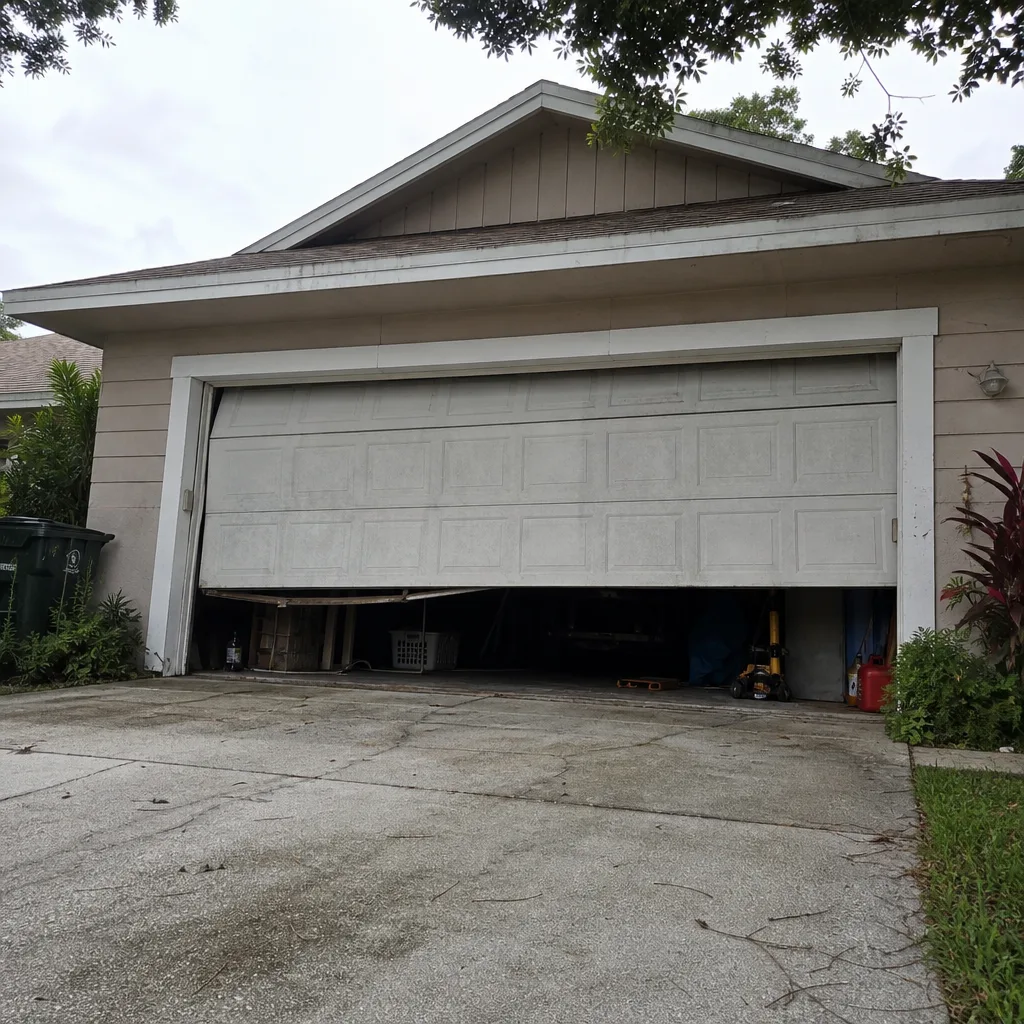 Before
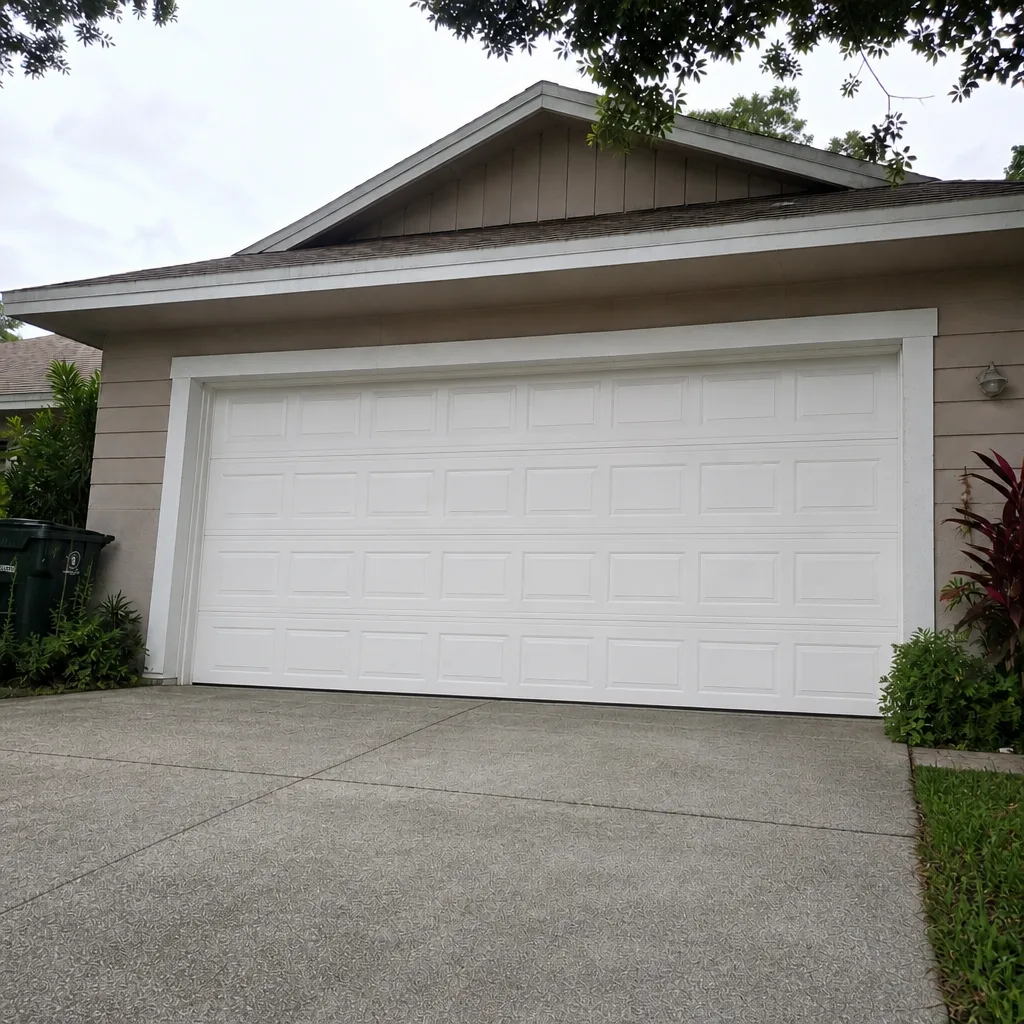 After
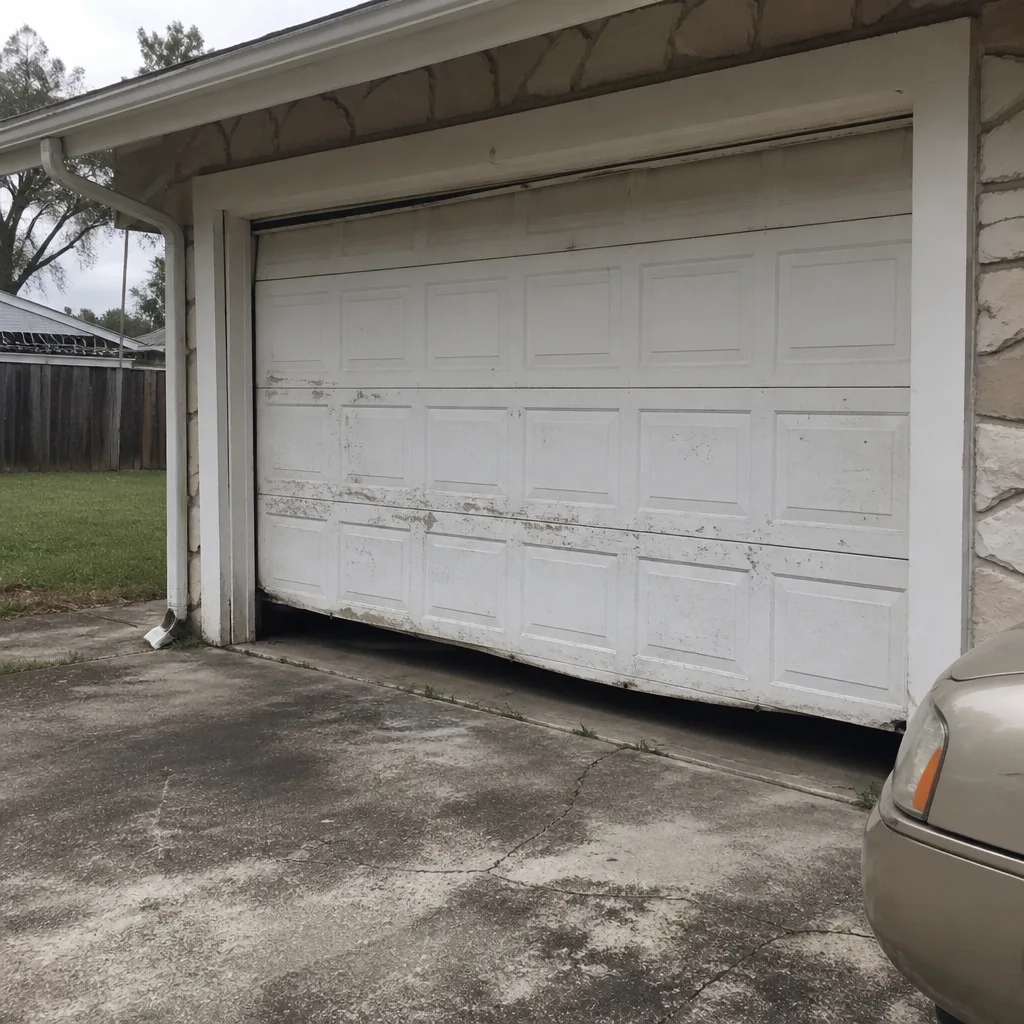 Before
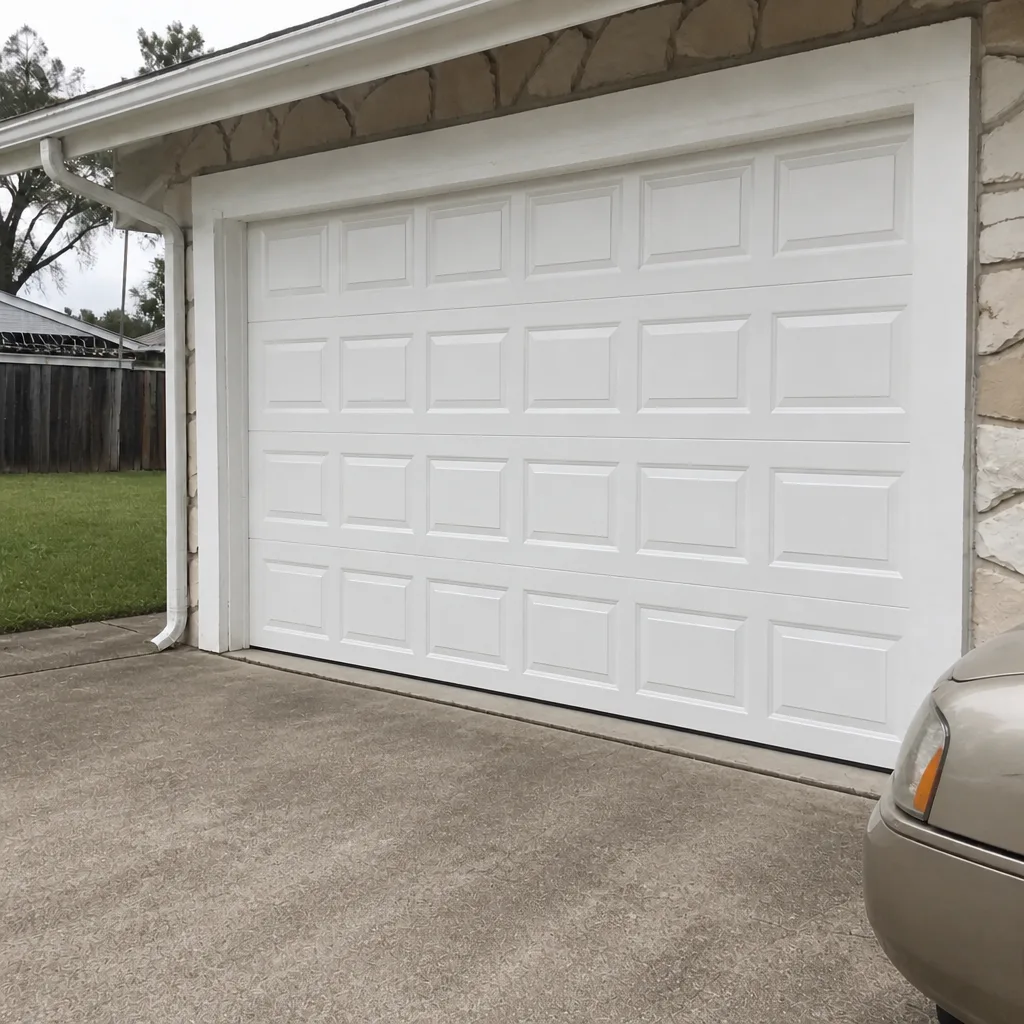 After
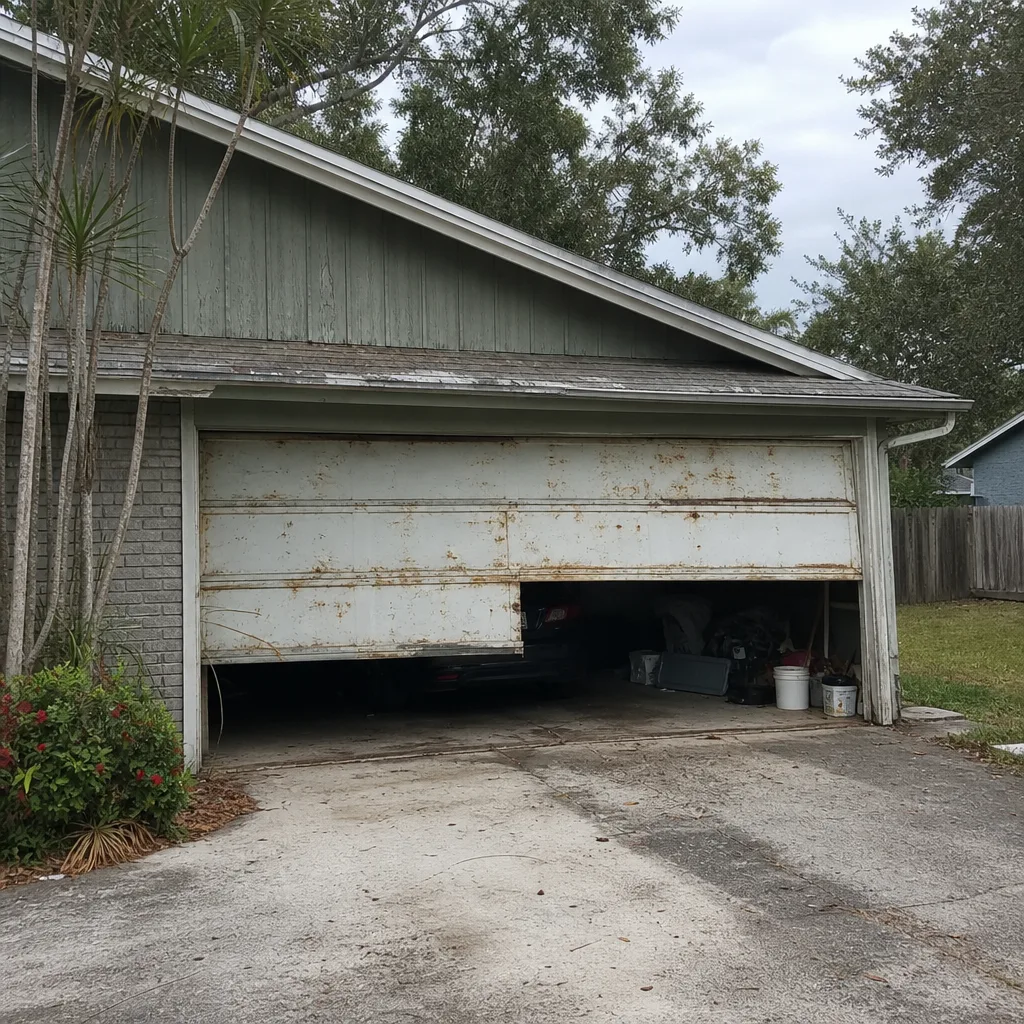 Before
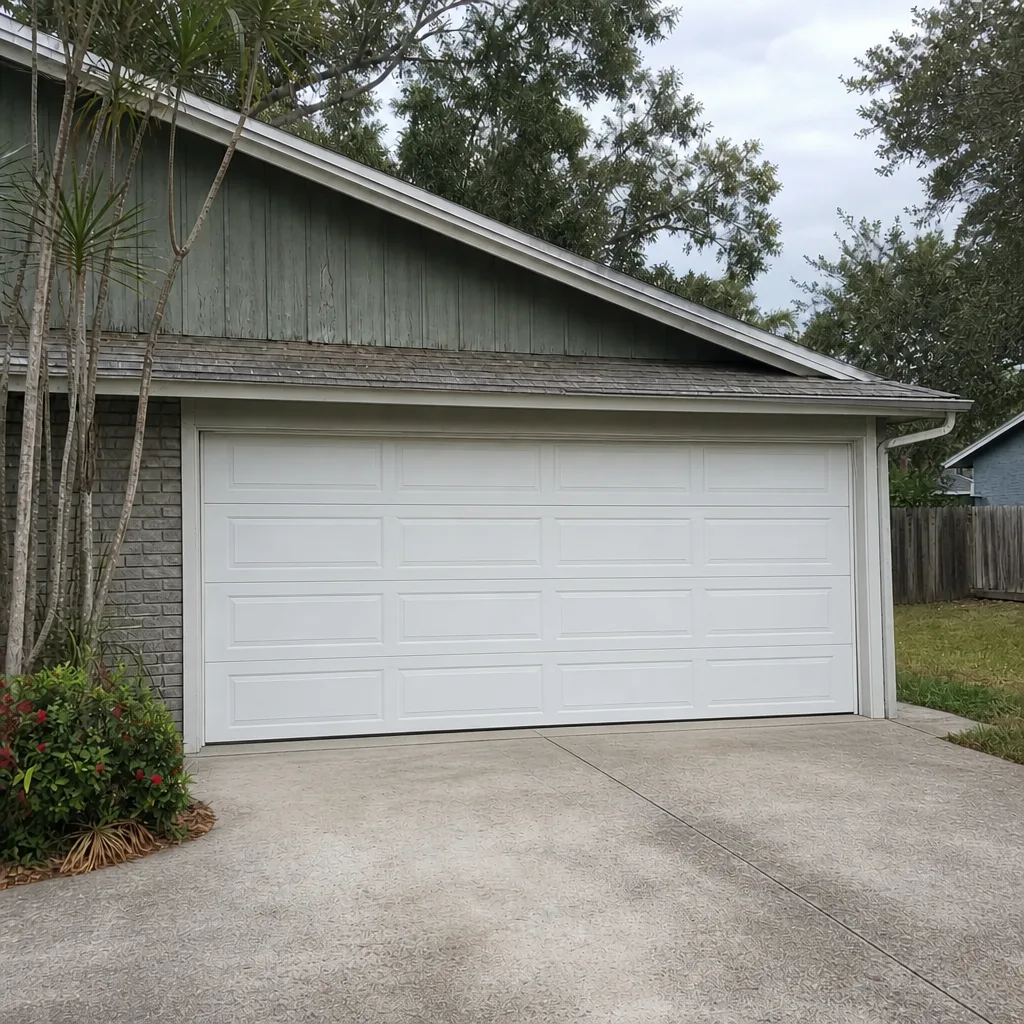 After