Last updated November 21, 2026
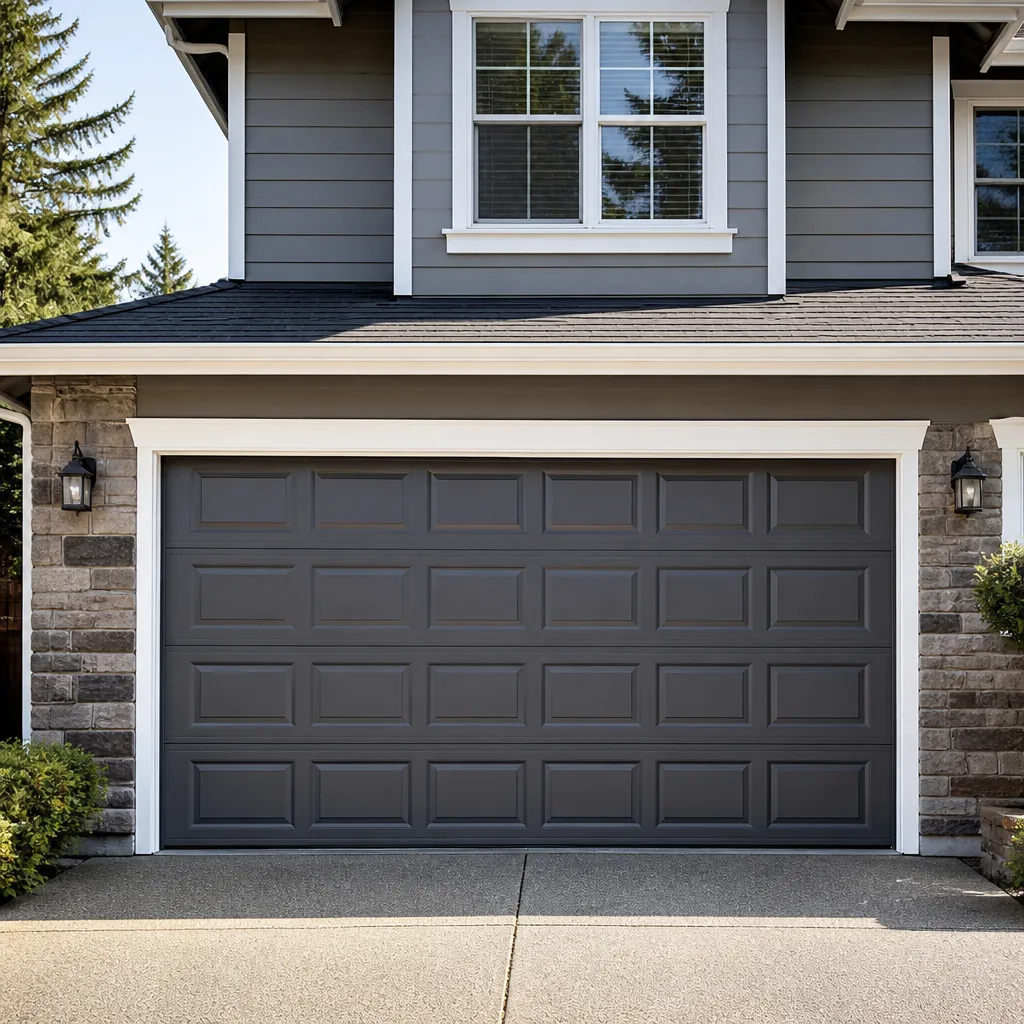 Raised-panel steel
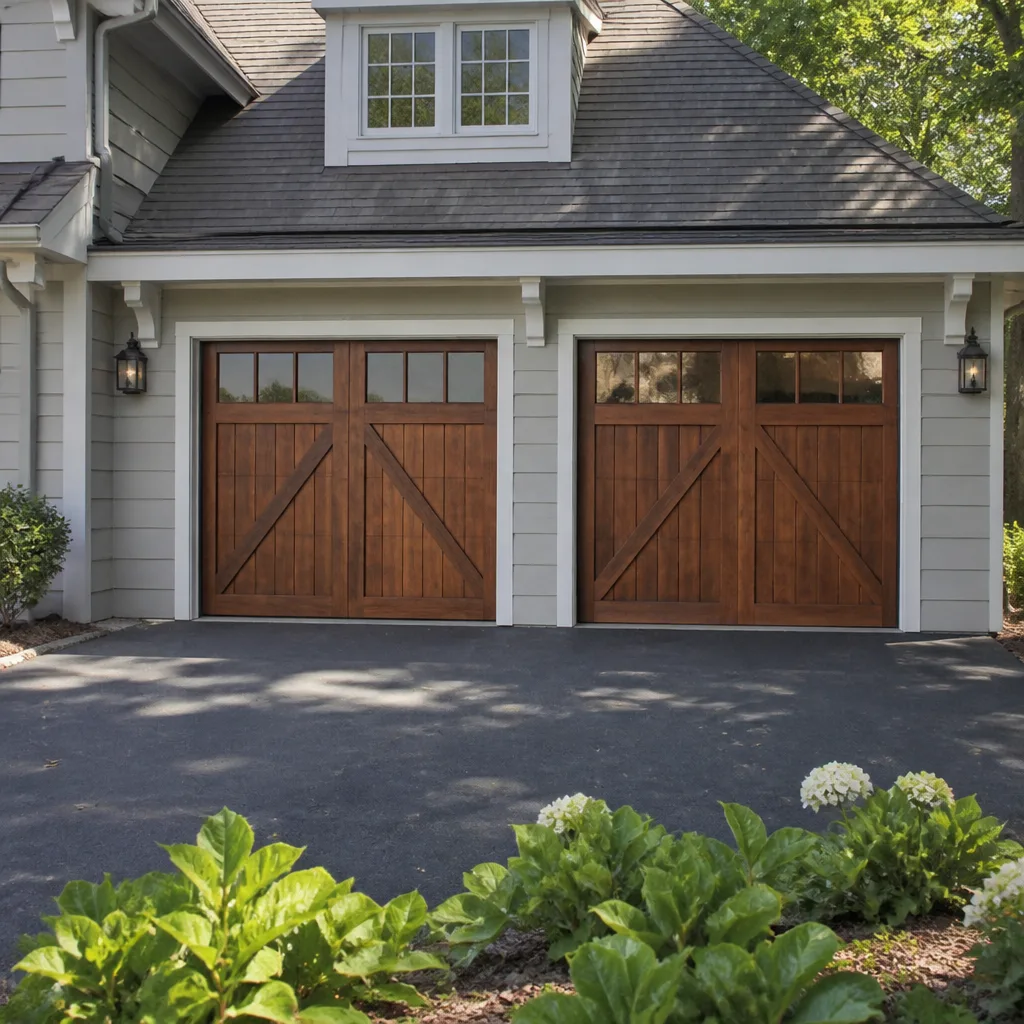 Carriage house
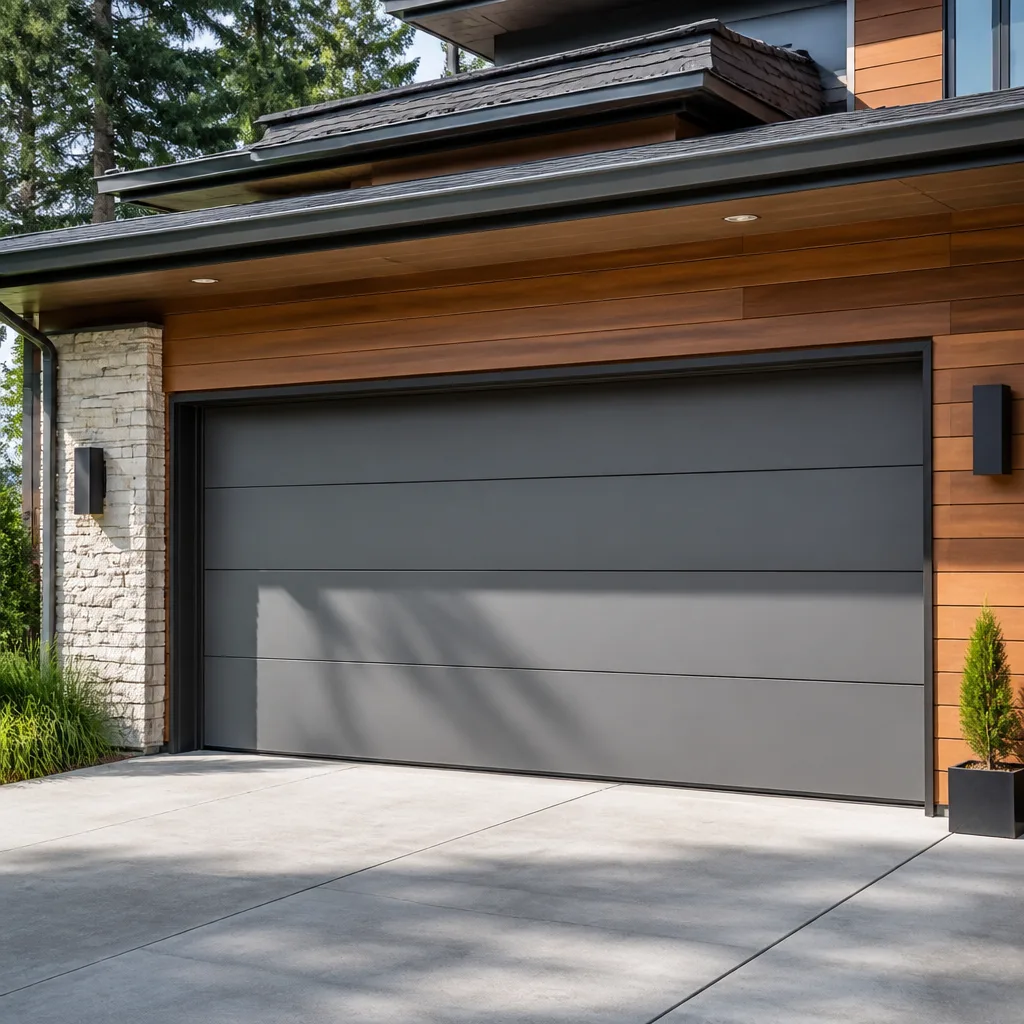 Modern flush
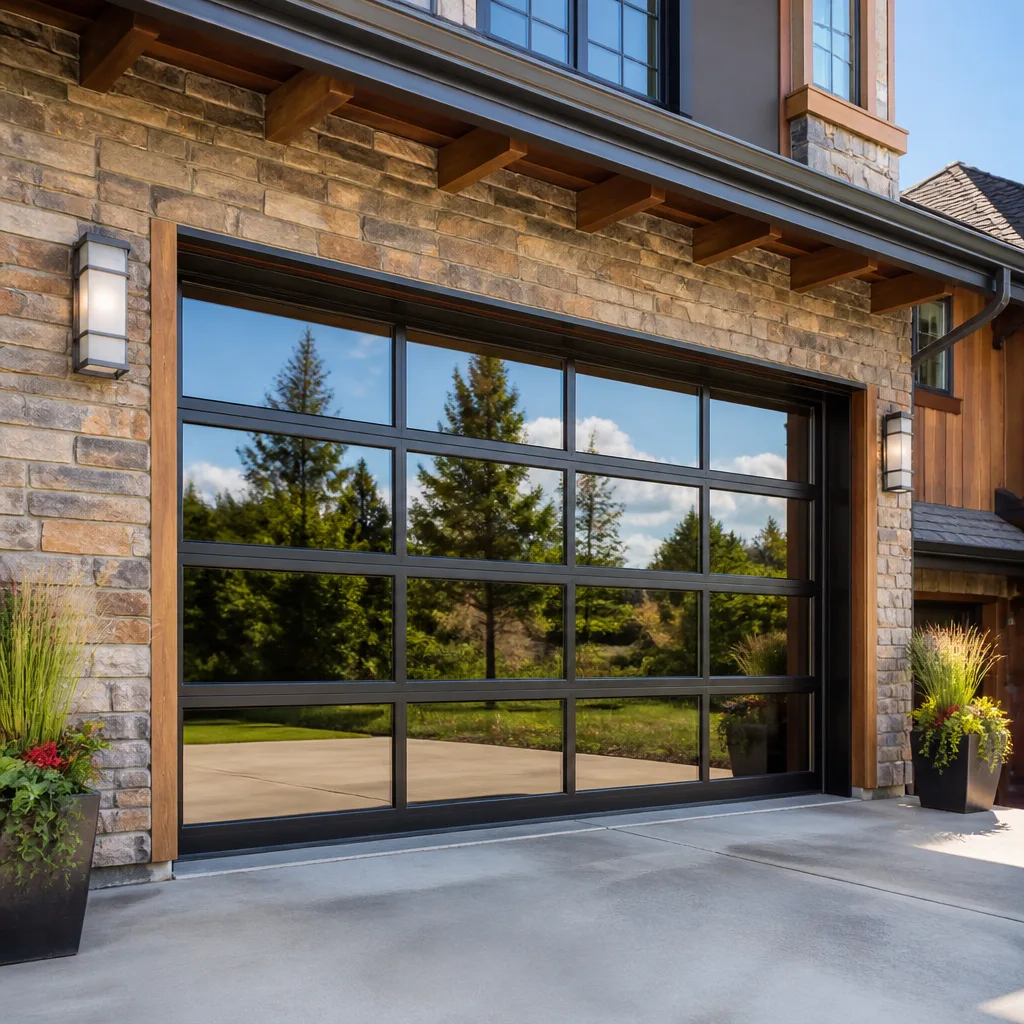 Full-view glass
 LiftMaster openers
 Chamberlain openers
Full 25-point door and opener safety check with every visit - springs, cables, rollers, tracks, and your LiftMaster or Chamberlain opener included
You get a price before we start. It does not change when the pro arrives.
Get your free estimateGarage Door Repair Maintenance Checklist for Palm Harbor Homeowners
The number-one maintenance mistake Palm Harbor homeowners make isn’t skipping lubrication. It’s using the wrong lubricant on hardware that’s already fighting salt-air corrosion, which speeds up the exact failure they’re trying to prevent. A spray of WD-40 on a dry, dusty hinge feels like maintenance and actually attracts grit that grinds the moving parts down faster. A generic checklist written for a dry climate will keep a door running in Phoenix. It won’t help you here, where humid summers, driving rain and salty air attack different components on a different schedule. This guide covers what actually breaks first in Pinellas County, how often to check it, and how to document condition so you catch a failing part before it strands your car.
Quick Answer
A garage door in Palm Harbor needs a visual inspection once a month, lubrication every three to four months with a silicone- or lithium-based product (never WD-40), a balance and safety-reverse test twice a year, and a full hardware and corrosion check right before and after hurricane season. Pay closest attention to the rollers, bottom brackets and torsion bar ends, because salt air and humidity attack those first.
Styles & brands we work with
- Raised-panel steel
- Carriage house
- Modern flush
- Full-view glass
- LiftMaster openers
- Chamberlain openers
Table of Contents
- The Monthly Walk-Around: What to Look At in 10 Minutes
- Salt-Air Corrosion Points Every Checklist Misses
- Lubrication in High Humidity: Why the Wrong Product Backfires
- Weather Seals and Florida’s Driving Rain
- Pre-Storm and Post-Storm Inspection Protocol
- Balance, Spring and Safety-Reverse Testing
- Documenting Condition Over Time to Spot Trends
- A Season-by-Season Maintenance Calendar for Palm Harbor
The Monthly Walk-Around: What to Look At in 10 Minutes
Most failures in a garage door give you warning signs weeks before they stop the door. The trick is knowing where to look. A quick monthly walk-around in Palm Harbor catches most of those warnings while they’re still cheap to fix, and it doesn’t require tools beyond a flashlight and a rag. Do it with the door closed first, then repeat with the door open.
With the door closed, check these in order:
- Panels and seams. Look for dents, separation at the seams and paint blistering. In a humid climate, a bubble under the paint can hide rust starting beneath it.
- The bottom seal. Run your hand along the rubber or vinyl seal where it meets the floor. Cracks, hardness and gaps mean it’s no longer keeping out water and pests.
- Hinges and rollers from the inside. Look for orange rust dust around the hinge pins and roller stems. Rust dust means the part is already wearing.
- The bottom brackets. These are the metal plates near the floor that hold the lift cables. Look for rust or deformation, but never loosen or adjust them yourself.
- The torsion bar ends, if you can see them. These are the ends of the horizontal shaft above the door, where the springs attach to plates. Grease and rust collect here fast in Palm Harbor humidity.
- The track. Check for dents, loose fasteners and debris sitting in the rail.
With the door open, look at the top section of the tracks and the opener rail for wear. Listen as it moves: grinding, squealing or a rhythmic thump points to a specific part. A door that sounds rough is telling you something. This ten-minute pass, done once a month, is the single most useful maintenance habit a Palm Harbor homeowner can build.
Salt-Air Corrosion Points Every Checklist Misses
The standard maintenance checklist you’ll find online was written for a place with dry air and mild conditions. It says “oil the hinges and rollers” and stops there. That’s not enough here. Salt air and persistent humidity act on specific components that a generic list never names, and those are the ones that fail first in Palm Harbor.
Three spots deserve your attention every month:
- Rollers. The stems and bearing surfaces rust from the inside out. A roller that turns stiff is already dragging on the track, which wears both the roller and the track. Nylon rollers resist corrosion better than steel in this climate, but the steel stem is still the weak point.
- Bottom brackets. These are the highest-stress, lowest-to-the-ground fasteners on the whole system, and they live in the wettest air. Rust here is a safety issue, not a cosmetic one. The brackets hold the cables under tension, and a corroded bracket can fail. Never try to loosen or adjust them yourself. This is a trained-professional job.
- Torsion bar ends and end plates. The shaft above the door collects airborne moisture and grit at both ends, where the springs and plates meet. Rust and crusty grease build up there and accelerate wear on the bearings. Wipe and re-grease, don’t scrape.
We’ve seen this pattern repeatedly in Palm Harbor: a door that’s mechanically fine but failing at the fasteners and bearing points because those are the last things anyone thinks to check. A specialist knows to look at the corrosion points, not just the obvious moving parts. If you’re already seeing rust bleed at the brackets or rollers, it’s worth having a professional look before it becomes a garage door repair call.
Lubrication in High Humidity: Why the Wrong Product Backfires
In a humid climate, the wrong lubricant does more harm than none. A thin, solvent-based spray like WD-40 isn’t a lubricant for garage door hardware. It’s a water displacer. It flashes off quickly, leaves a sticky film, and that film traps dust and grit. In Palm Harbor’s humidity, that grit sticks to the tacky surface, then grinds into the hinge pins and roller stems every time the door moves. You’ve lubricated the parts and shortened their life at the same time.
Use a silicone-based spray or a lithium- or white-grease product instead. These stay where you put them, resist washout from humidity, and don’t collect grit the way a light solvent film does. Here’s a practical schedule:
- Every three to four months: apply lubricant to the hinges, roller stems (not the rubber wheels or the track), the torsion springs (a light wipe, not a coating) and the opener rail.
- Before hurricane season: do a thorough pass since the door may sit closed for a stretch and the parts can stiffen up.
- Never: grease the tracks. Tracks should stay dry and clean. Grease on a track grabs dust and turns into a paste that binds the rollers.
If you’re not sure what’s already on your door, wipe a hinge pin with a rag. If it’s tacky and gray, someone used a petroleum spray. Clean the worst of it off and switch products. The right lubricant, applied on a schedule that accounts for humidity, is what keeps a Palm Harbor door quiet and smooth between service calls.
Weather Seals and Florida’s Driving Rain
Most weather seal advice on the internet is about keeping cold air out of a drafty northern garage. That’s not the problem here. In Palm Harbor, the seal’s job is keeping out wind-driven rain that arrives sideways during storms. A seal that fails quietly in a mild climate will let water in here, and water at the bottom of a door finds its way to the bottom section, the brackets and the floor of the garage.
Check these seals as part of your monthly pass:
- The bottom seal. Look for splits, compression flattening and gaps where the door meets the floor. A seal that’s hard and cracked lets water under the door. It’s a simple part and easy to replace.
- The perimeter seals. The rubber or brush strips along the sides and top. Check that they compress against the frame when the door is closed. Gaps in the sides let in rain during a sideways storm.
- Threshold and floor contact. Look for daylight under a closed door. A sliver of light at the bottom means water can get in. Adjust or replace the bottom seal before storm season.
The best time to look at seals is before hurricane season and again after. A seal is cheap insurance against water intrusion, and replacing it is one of the few jobs a homeowner can reasonably handle without specialized tools. If the bottom section has already absorbed water and swelled, that’s a panel problem, not a seal problem, and it’s worth a professional look.
Pre-Storm and Post-Storm Inspection Protocol
Florida storm season is the reason a Palm Harbor maintenance checklist can’t be a copy of a generic one. The door has to be checked before a storm arrives (to make sure it will close and stay closed) and after (to catch what wind and water have done). Here’s the protocol we recommend. It’s a numbered walk-through for a reason: do it the same way every time and you won’t miss a step under pressure.
Before a storm:
- Test that the door closes fully and the seal makes contact along the whole bottom edge.
- Check the balance and safety-reverse function (see the testing section below) so you know the door will operate correctly.
- Look at the seals and the bottom section for existing damage that a storm could make worse.
- Clear the tracks of debris and make sure nothing is leaning against the door from inside.
- Check the bottom brackets and rollers for rust, since a weakened bracket is a larger risk under wind load.
After a storm:
- Look at the outside of the door for dents or impact marks before you operate it.
- Open and close it slowly and listen for new sounds or resistance.
- Check for water inside the garage along the bottom edge and the side seals.
- Look at the panels and seams for separation.
- If anything looks off, don’t force the door. Have a professional inspect it.
If you’re seeing an issue with a seal, track or panel that you can’t sort out, that’s the point to call a specialist rather than work around it. Storm damage and pre-storm failures are exactly the kind of thing we handle as garage door opener repair and general door service.
Balance, Spring and Safety-Reverse Testing
Two tests every Palm Harbor homeowner should run twice a year catch the most serious problems before they become a breakdown or an injury. The first is the balance test. The second is the safety-reverse test. Both are simple and safe to do, and both tell you a lot about the state of the door.
Balance test:
- Close the door and pull the release handle to disconnect the opener.
- Lift the door by hand to about waist height and let go.
- A well-balanced door stays roughly in place. A door that drops on its own, or is very hard to lift, has a spring or balance problem.
Safety-reverse test:
- With the door open, set a small object like a roll of paper towels on the floor under the door.
- Close the door using the opener.
- The door should stop and reverse when it contacts the object. If it doesn’t, the opener’s safety system needs attention before anyone uses the door.
A door that fails the balance test is often telling you the torsion springs are losing tension or nearing failure. Springs are the most dangerous part of any garage door. They store enormous energy, and a corroded or fatigued spring can fail with force. This is one of the highest-risk repairs on the whole door, and it’s not a job to attempt yourself. If a spring is involved, have it looked at by a trained technician. We handle spring repair as a named specialty for exactly that reason.
Documenting Condition Over Time to Spot Trends
Most garage door emergencies weren’t sudden. A part was wearing for months, slowly, and nobody noticed the trend because nobody wrote anything down. That’s why documenting condition over time matters. A technician who can see the history of a door can often spot a part heading for failure and replace it on a planned call instead of an emergency one.
Keep it simple. A note on paper, a photo on your phone, a shared note with whoever else uses the door. What matters is that it’s consistent:
- Date each entry. A monthly entry is plenty.
- Photo the same three spots every time: the bottom brackets, the rollers on each side, and the torsion bar ends.
- Note anything new: a new sound, a seal that looks worse, a spot of rust where there wasn’t one.
- Write down service visits and what was replaced. If a technician replaced a hinge or a roller, note it.
When you call a professional, this record is genuinely useful. It shows the rate of change rather than a single snapshot. A bracket that’s rusted a little more each month is a different situation than one that suddenly shows rust. In Palm Harbor, where salt air and humidity drive corrosion steadily, trend-based information helps a technician catch a failure before it’s an emergency. It also makes the conversation at a service call much more productive.
A Season-by-Season Maintenance Calendar for Palm Harbor
A checklist only works if it’s on a schedule you can actually keep. Here’s how we break the year down for Palm Harbor homeowners, organized by season and by what each season actually stresses on the door.
- Spring (warm-up): full lubrication pass, balance and safety-reverse test, seal inspection, clean the tracks. Check the corrosion points since the humidity is climbing.
- Early summer (pre-hurricane season): the big pre-storm inspection. Seals, bottom brackets, rollers, torsion bar ends, panel and seam check. This is the one pass not to skip.
- Late summer (mid-season): a quick post-storm pass after any significant weather, plus lubrication if it’s been three to four months.
- Fall (storm season wraps up): post-season inspection, another balance and safety-reverse test, seal check after the rain.
- Winter (mild season, planning time): a good moment to book any planned repairs and to think about opener upgrades. Winter is when a worn part you’ve been watching can get replaced without an emergency call.
Do a ten-minute visual walk-around once a month on top of that calendar. Between the monthly pass and the seasonal checks, you’ll cover the failure points that matter in this climate. If you have an opener that’s giving you trouble, or a Clopay, Amarr, Chamberlain or Genie system that needs a look, our garage door installation and opener work covers the brands that dominate this market.
Common Mistakes to Avoid
- Using WD-40 as a lubricant. It isn’t one. In humidity it leaves a sticky film that collects grit and wears the parts down faster. Use a silicone or lithium product on a schedule.
- Greasing the tracks. Tracks should stay clean and dry. Grease on a track turns into abrasive paste that binds the rollers.
- Ignoring the bottom brackets and torsion bar ends. These are the corrosion hot spots in Palm Harbor, and they’re the spots a standard checklist never mentions.
- Adjusting or loosening brackets and springs yourself. These parts hold stored energy and can cause serious injury. Leave them to a trained technician.
- Skipping the pre-storm inspection. A seal or bracket that’s marginal in calm weather is a liability in a sideways storm. Check before the season, not after.
- Waiting for a failure instead of tracking condition. A photo every month for the three corrosion points is a small habit that catches trend-based failures early.
- Forcing a door that has stopped mid-travel. A door that won’t move is often a spring or opener problem. Forcing it can damage the door or the opener. Test, then call.
See the difference
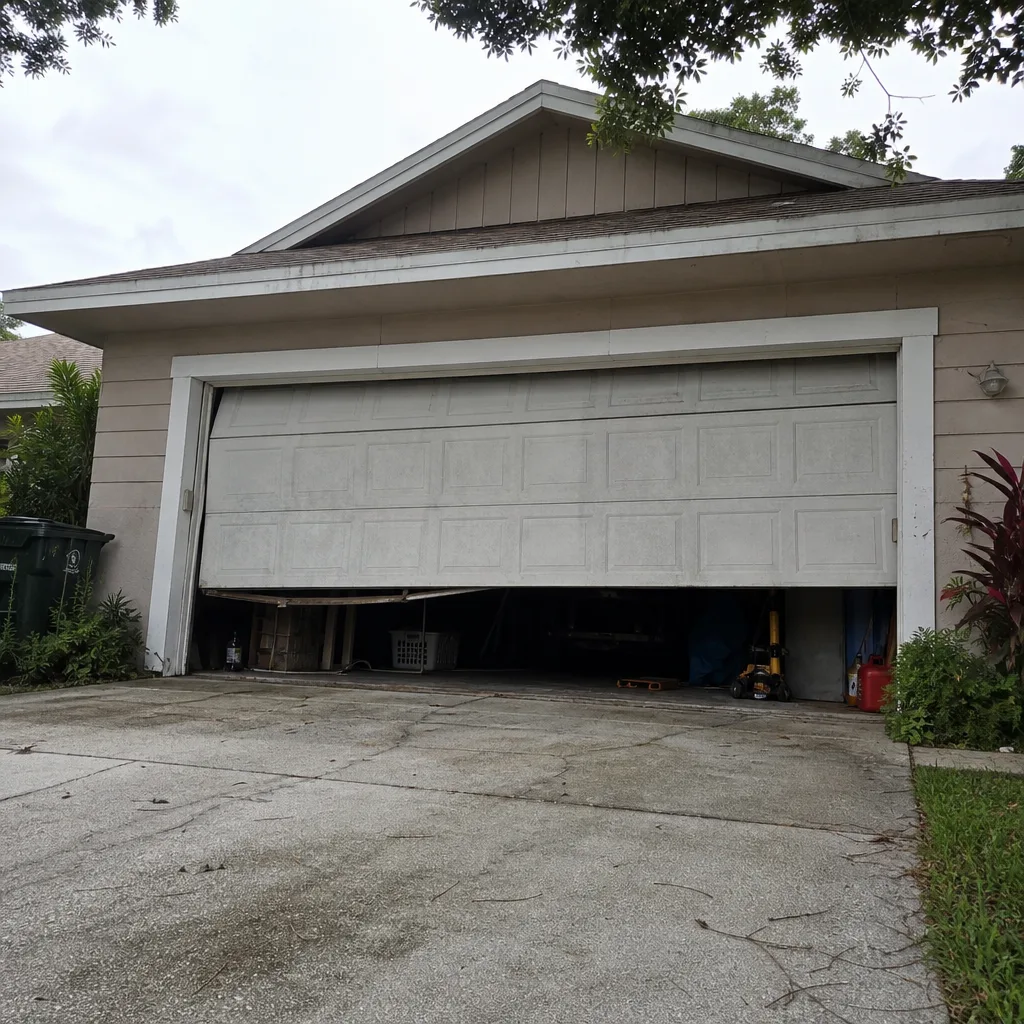 Before
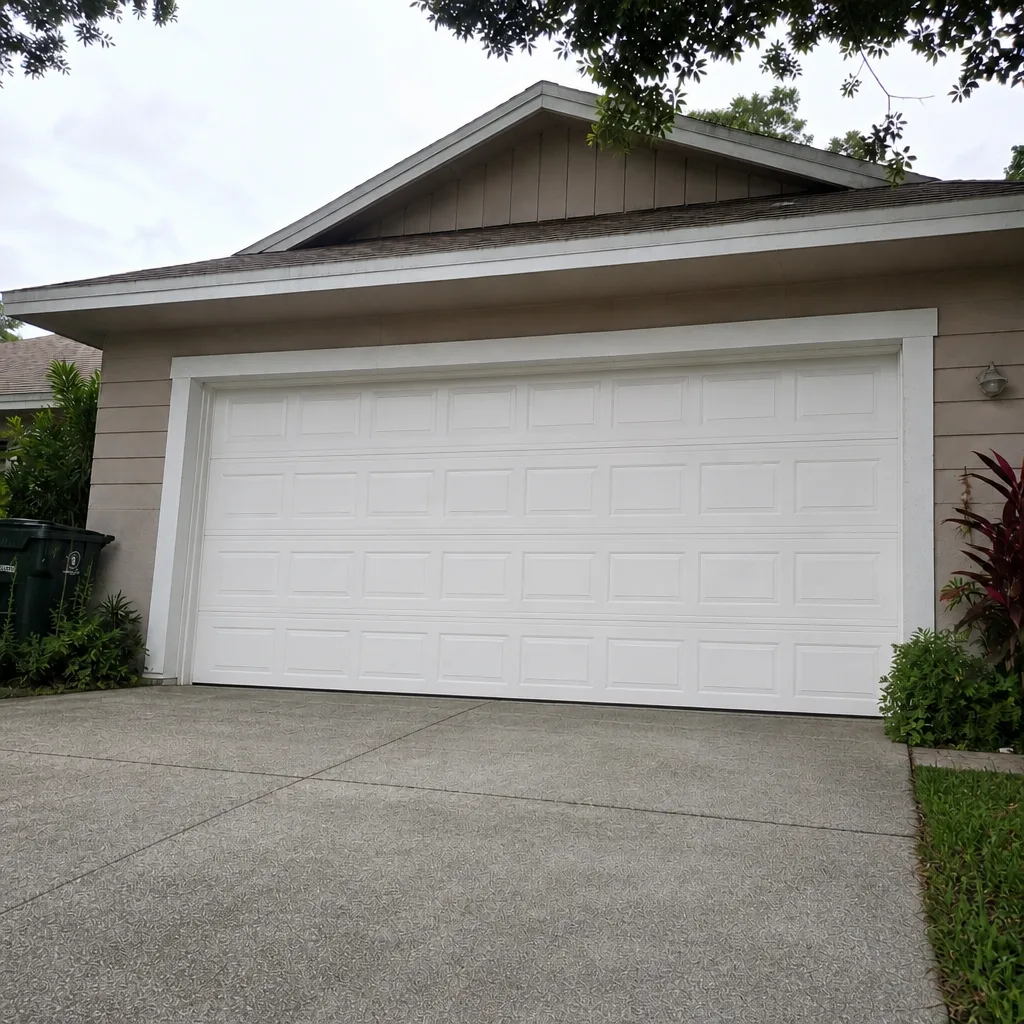 After
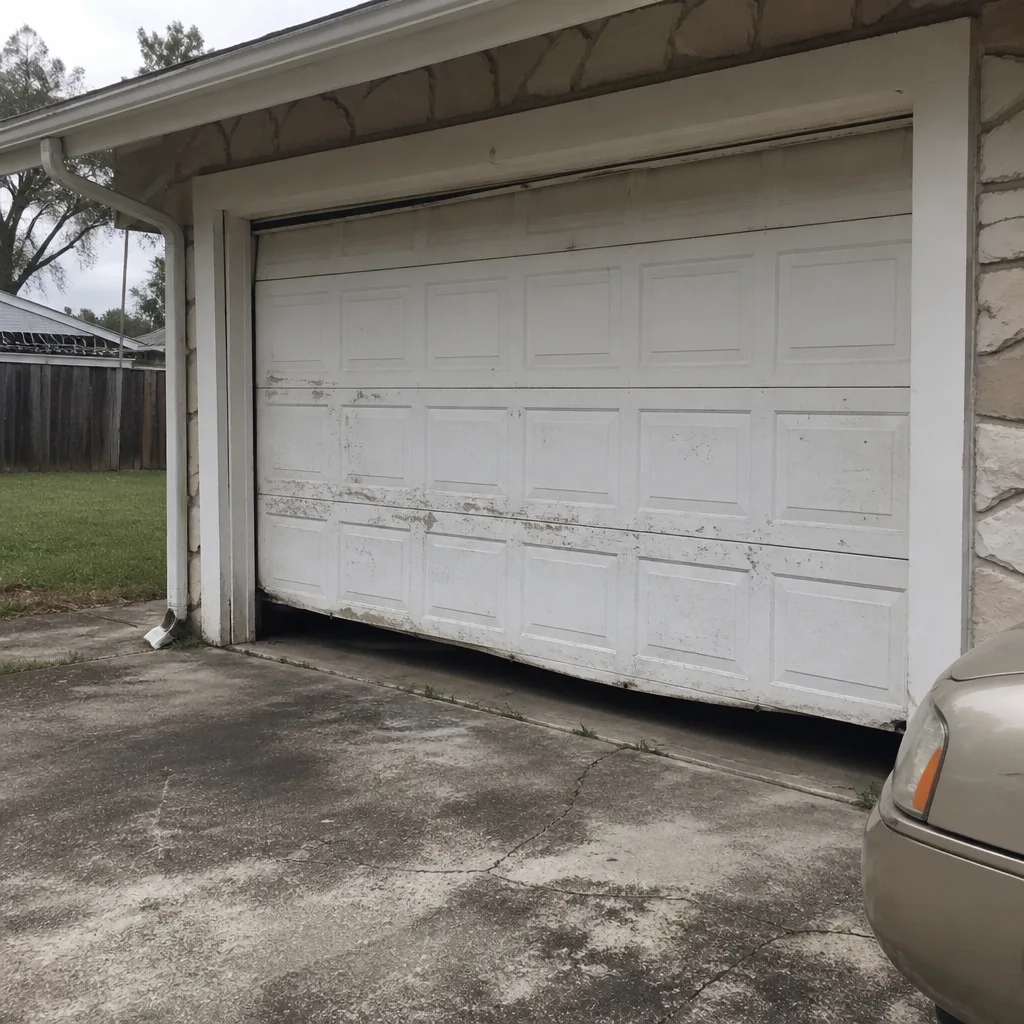 Before
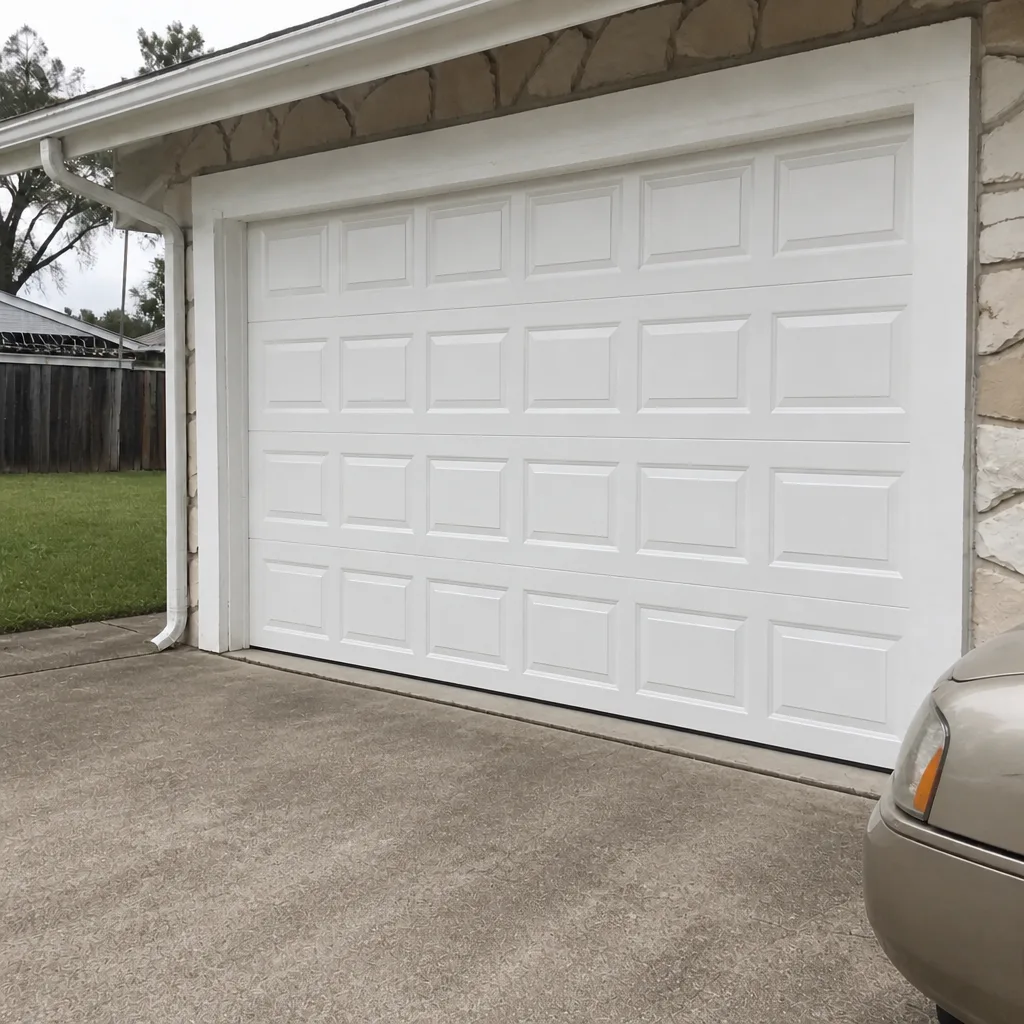 After
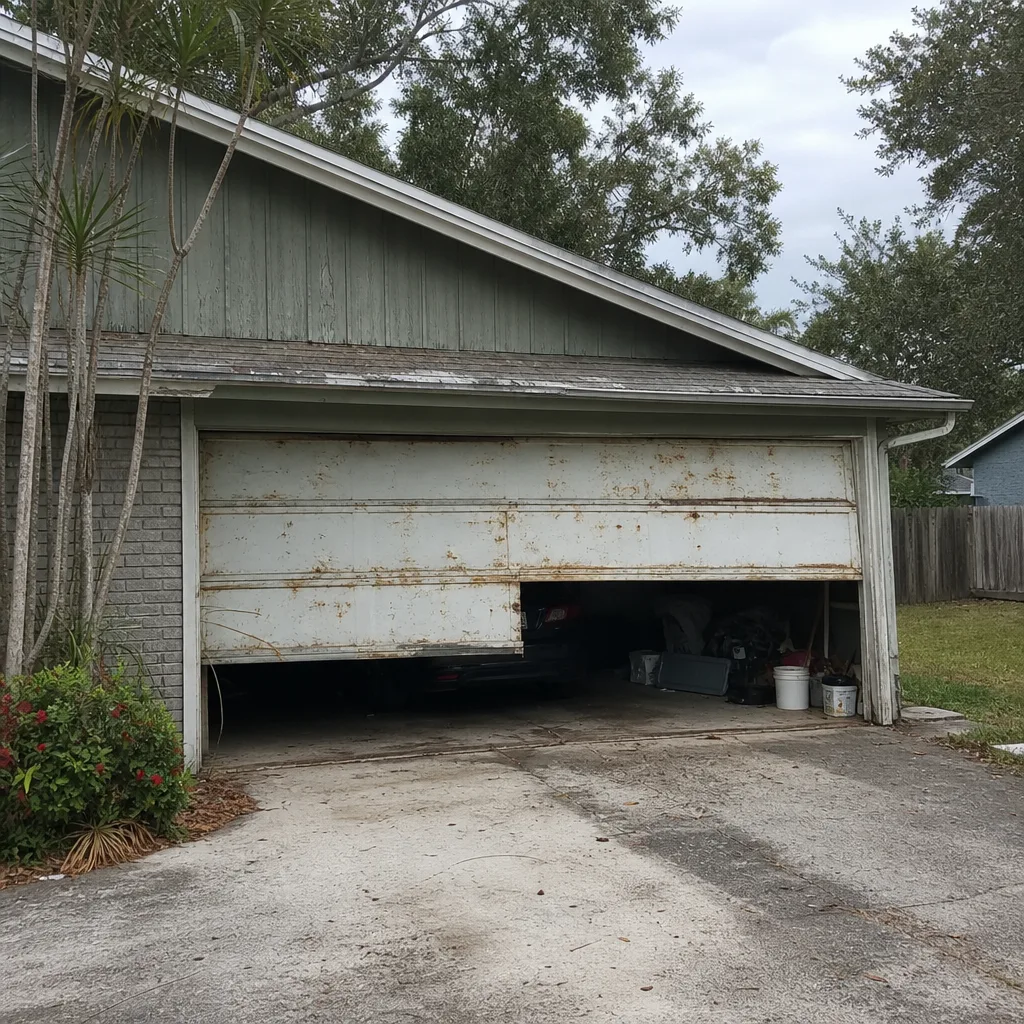 Before
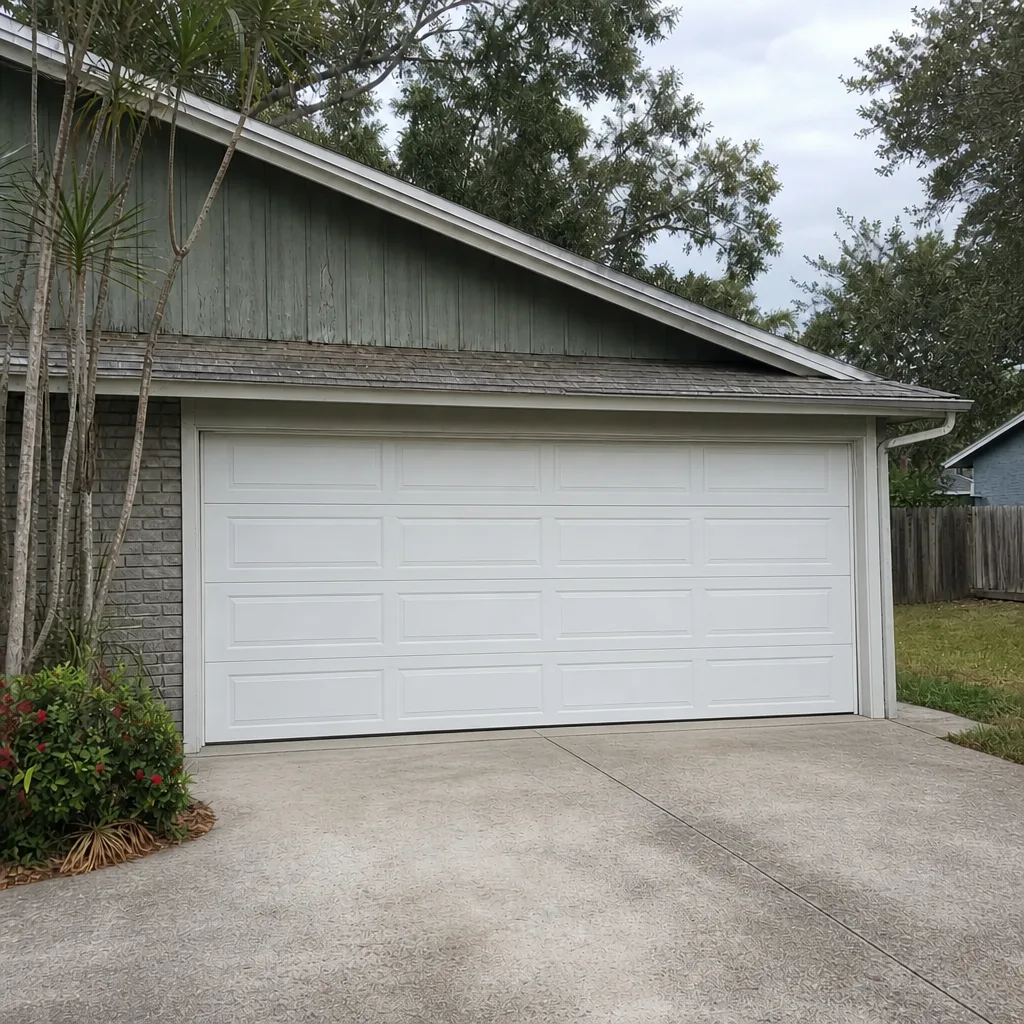 After
When to Call a Professional
Some jobs are safe and simple to handle yourself: cleaning tracks, replacing a bottom seal, lubricating hinges. Others should always go to a trained technician. Call a professional if the door fails the balance test, if you hear a bang or snap from the springs, if the safety-reverse test fails, if the bottom brackets or torsion bar ends show rust that worries you, if the door is visibly out of its tracks, or if the opener stops responding. Spring work in particular should never be a DIY job given the stored energy involved. Palm Harbor Garage Door Repair Pros offers free estimates in Palm Harbor, and we can work with your brand and your make or model. Call (844) 443-4150, and the price is quoted and agreed before any work starts.
Frequently Asked Questions
Every three to four months with a silicone- or lithium-based lubricant, and a thorough pass before hurricane season. WD-40 is the wrong product for this climate. It leaves a sticky film that collects grit and accelerates wear. Apply lubricant to hinges, roller stems, torsion springs (a light wipe) and the opener rail, but never grease the tracks. Call (844) 443-4150 for a free estimate if your door is due for professional service.
Check that the door closes fully and the bottom seal makes contact, run the balance and safety-reverse tests, look at the bottom brackets and rollers for rust, and clear the tracks. A weakened bracket or a failing seal gets worse under wind load and driving rain. If anything looks off, have it looked at before the storm. Call (844) 443-4150 for a free estimate.
Because humidity is the constant here. A thin solvent spray like WD-40 flashes off, leaves a tacky film, and that film traps grit that grinds into the moving parts every time the door opens and closes. A proper silicone or lithium lubricant stays put and resists washout. The right product, on a schedule, is what keeps the door quiet.
Pull the release to disconnect the opener, lift the door by hand to about waist height and let go. A balanced door stays roughly in place. A door that drops or is very hard to lift has a spring or balance problem. Don’t try to fix a spring yourself. It stores enormous energy and can fail with force. Call (844) 443-4150 for a free estimate.
Safe to do yourself: cleaning tracks, replacing a bottom seal, lubricating hinges and applying a proper lubricant on schedule. Leave to a professional: anything involving the springs, cables, bottom brackets or torsion bar ends, plus any balance, safety-reverse or electrical issue. Those parts hold stored energy and need proper tools and training. Call (844) 443-4150 for a free estimate.
No. The price is quoted and agreed before any work starts, and the written estimate sets the final price. If we find something else while we’re there, we’ll tell you and you decide, so there are no surprises. The technicians are state-licensed, insured and bonded as required, and we work with all major brands including Chamberlain, Genie, Clopay and Amarr. Call (844) 443-4150 for a free estimate.
The Bottom Line
A garage door maintenance checklist for Palm Harbor has to be built around this climate. That means monthly visual passes, lubrication every three to four months with the right product (not WD-40), twice-yearly balance and safety-reverse testing, and pre- and post-storm inspections tied to Florida’s hurricane season. The corrosion points a generic checklist misses, the bottom brackets, rollers and torsion bar ends, are the first things that fail here, so check them every month and photograph them to track change. Get the schedule right and keep a simple record, and you’ll catch wear as a trend rather than an emergency. When a spring or bracket needs attention, leave it to a trained technician. Palm Harbor Garage Door Repair Pros offers free estimates, and our technicians have up to 13 years of experience. Call (844) 443-4150 for a free estimate.
Written by the team at Palm Harbor Garage Door Repair Pros.